Wyoming mobile offices support construction, energy, mining, agriculture, utilities, healthcare, schools and public work across widely separated communities and exposed field locations.
STATE BUYER BRIEF
Wyoming Construction Office Trailers for Remote Field Operations
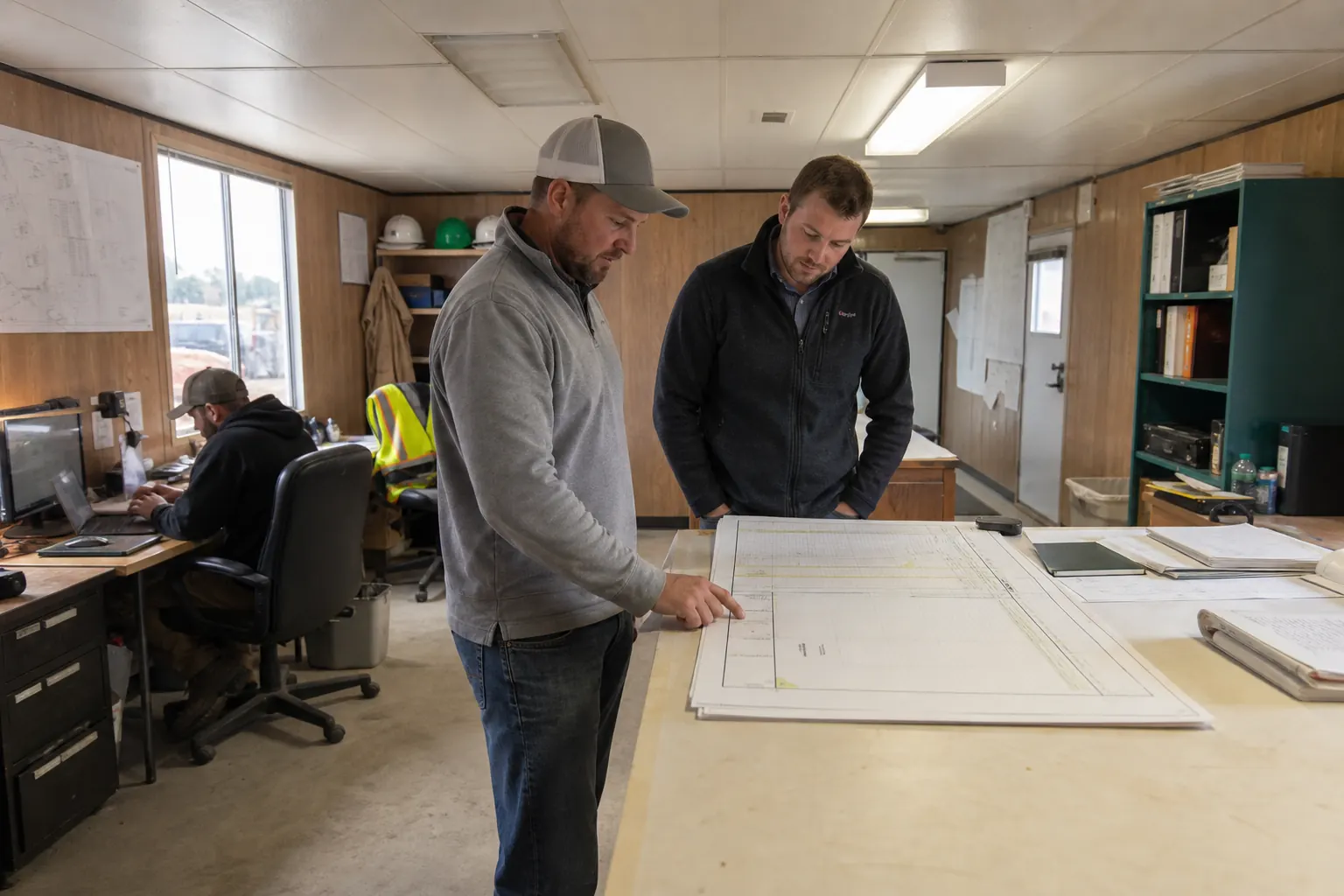
Energy, mining, civil and utility projects may need reliable heat, communications, records storage and meetings far from major inventory. Compare construction office trailers by crew use, exposure and available support. Verify origin, carrier route, fuel or power and technician response before the selected office is committed to the schedule.
Portable Classrooms and Temporary Community Offices
Schools, clinics, training programs and public agencies may require portable classrooms or finished offices with accessible circulation and dependable utilities. Identify occupants, rooms, restrooms, technology and winter entry. A public-use space should not be replaced with a field trailer simply because inventory is scarce.
Plan Wyoming Wind, Cold, Elevation and Access
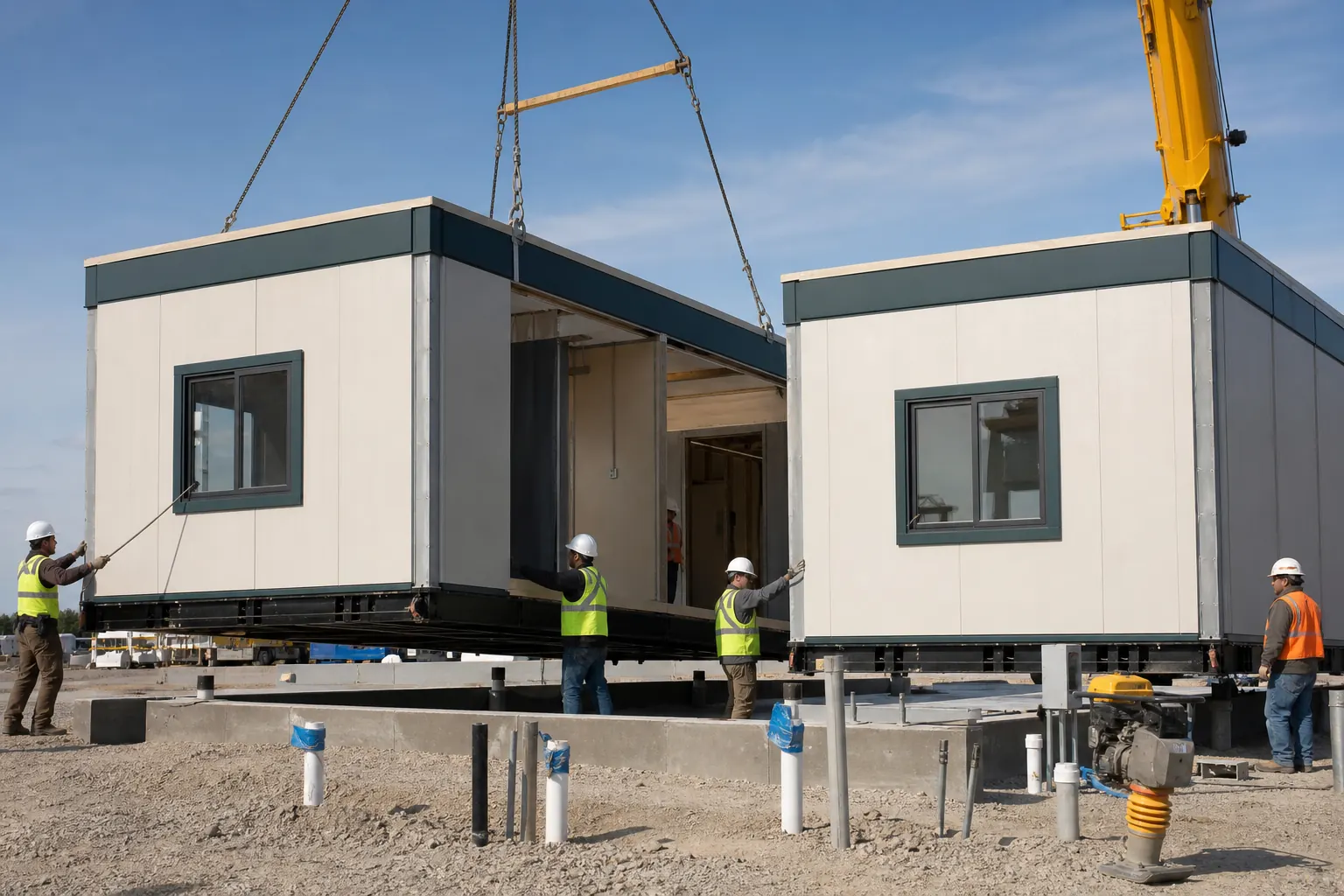
Confirm heating output, insulation, plumbing protection and electrical reliability. Review securing requirements, snow storage and backup procedures. Mountain or unpaved routes need measured grades and seasonal access. Use the guide to mobile office delivery and setup to prove the route and pad before dispatch.
Compare Complete Wyoming Mobile Office Prices
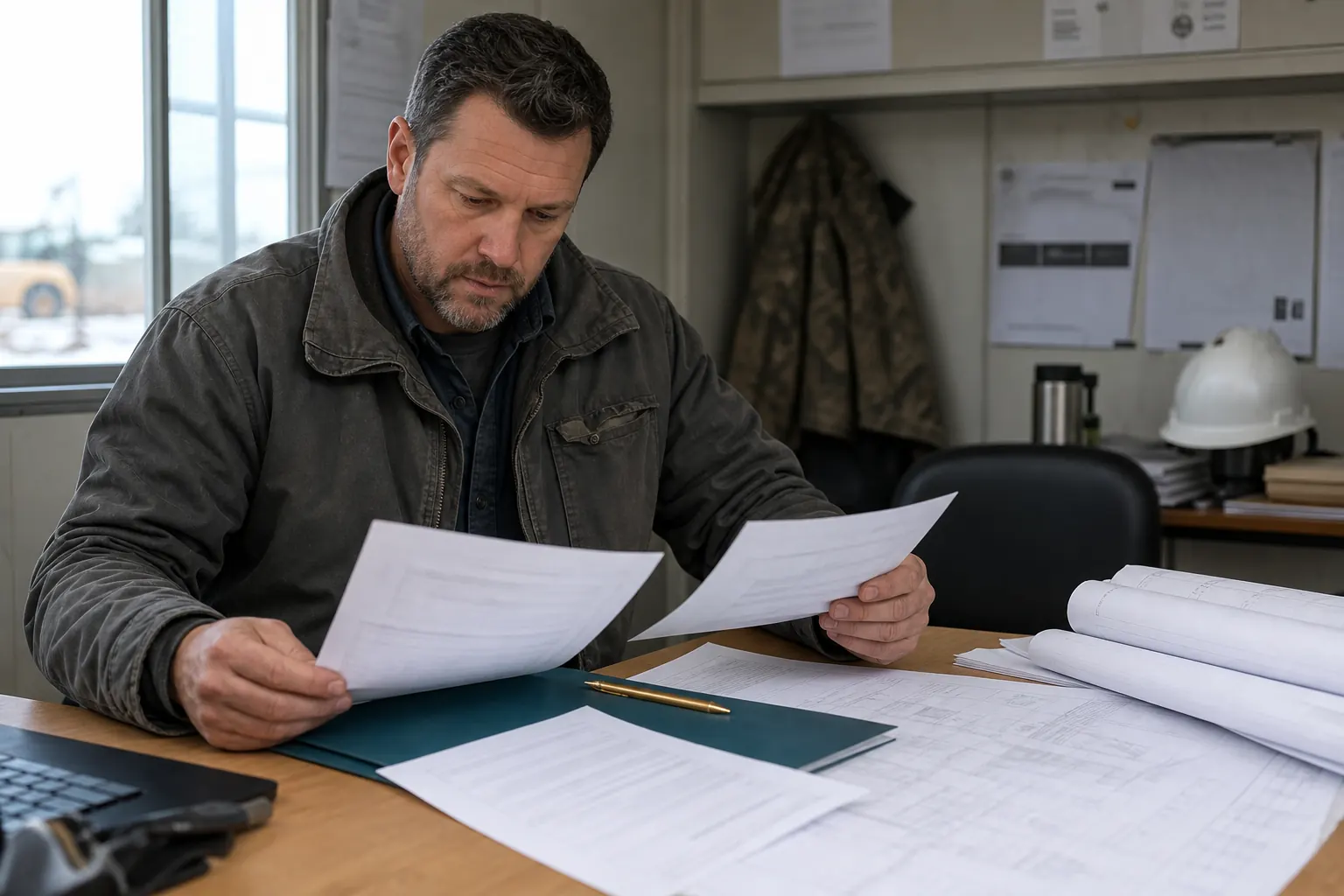
Require the proposed office, source, condition, transport distance, setup, entry, cold-weather package, utilities, technician travel, rent and removal. Ask what service is realistic at the destination. One Wyoming mobile office price request keeps freight and field support inside the comparison.
Prepare Wyoming Mobile Offices for Wind, Cold and Long Mobilization
Wyoming construction, energy, utility, agriculture and public projects often place temporary offices in exposed areas far from routine inventory or service. Ask where the offered unit is located and how freight, maintenance and pickup are calculated. Confirm anchoring assumptions, heating, freeze protection, electrical capacity and the route employees will use during wind and snow. Rural roads, grades and turning space should be reviewed before dispatch, not after the carrier arrives. State the daily occupancy, meetings, secure storage and project term so suppliers can match both the interior and the operating equipment. A complete comparison should show mobilization and support as clearly as it shows the monthly rate. Provide a reliable on-site contact who understands changing road and weather conditions before each carrier trip.
Give suppliers one complete address-specific brief.
Include ZIP, use, term, people, features, access, ground and target delivery.