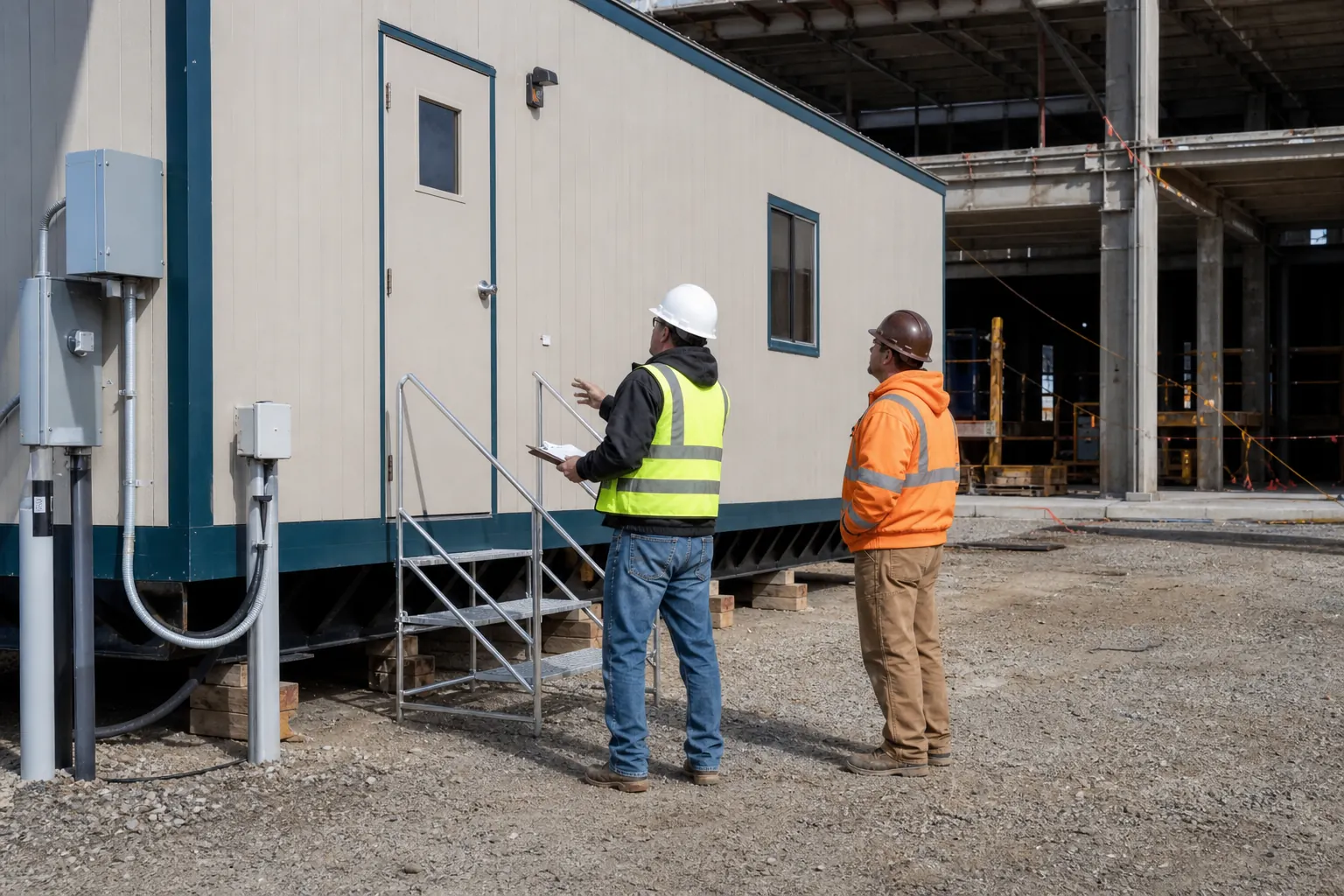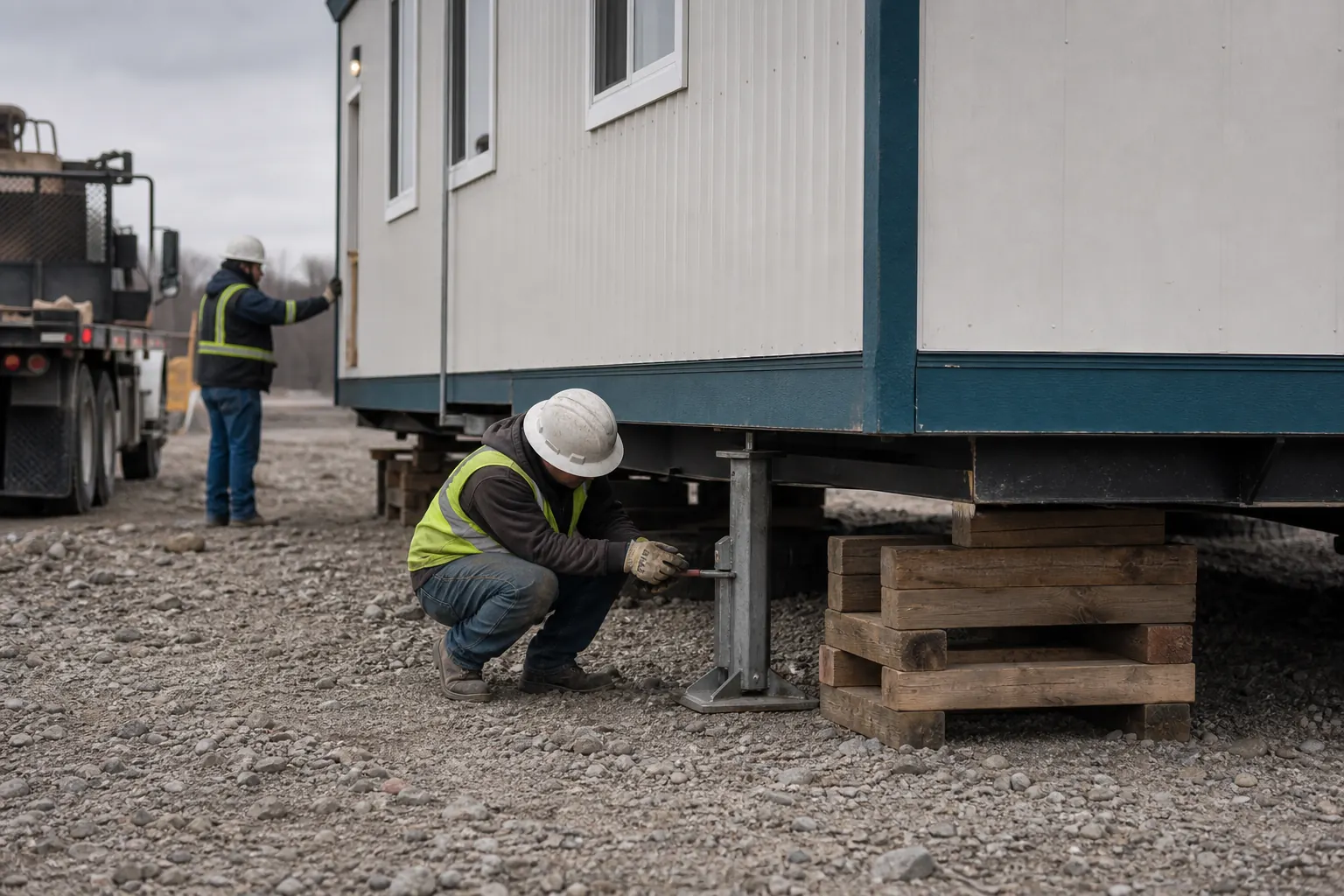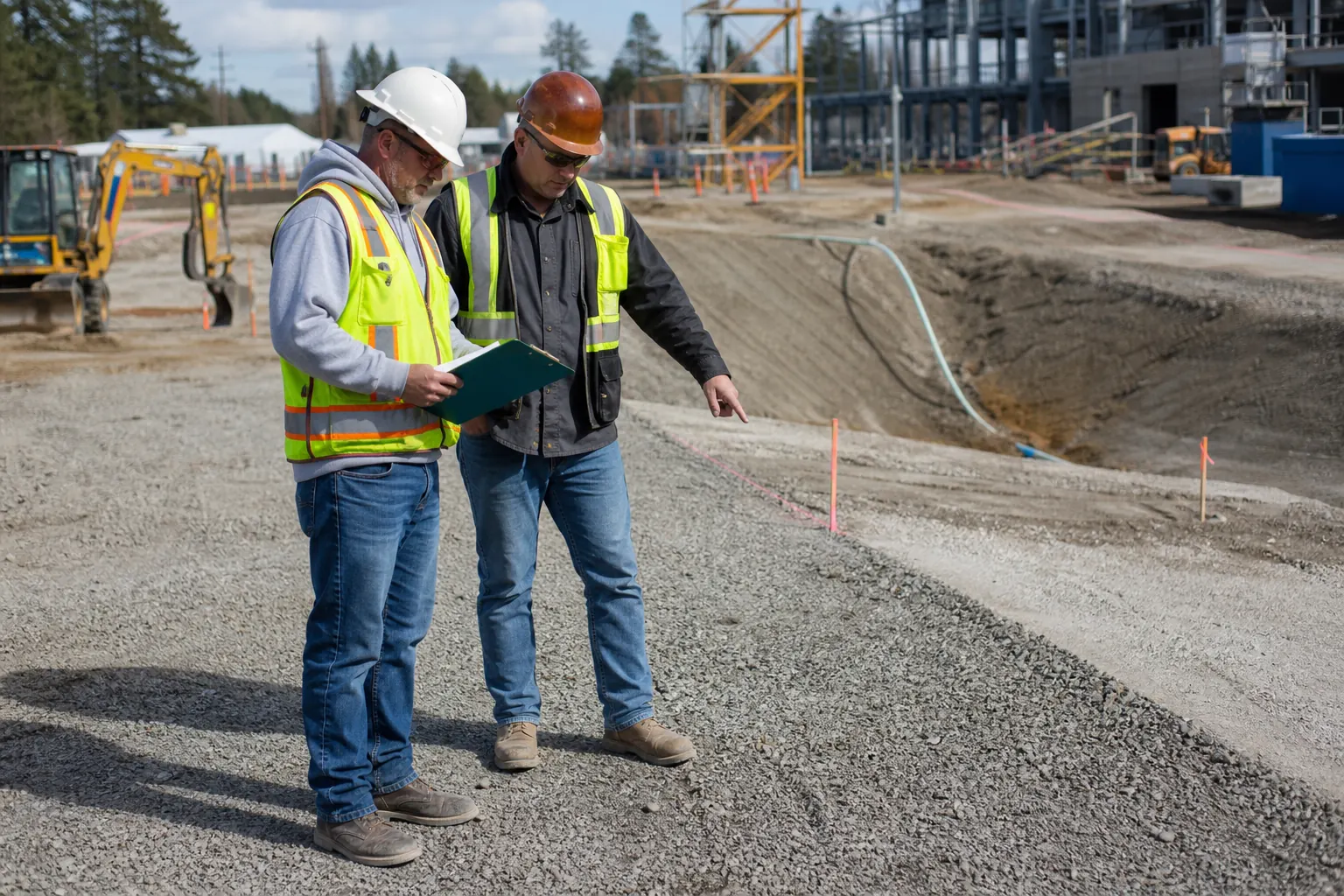
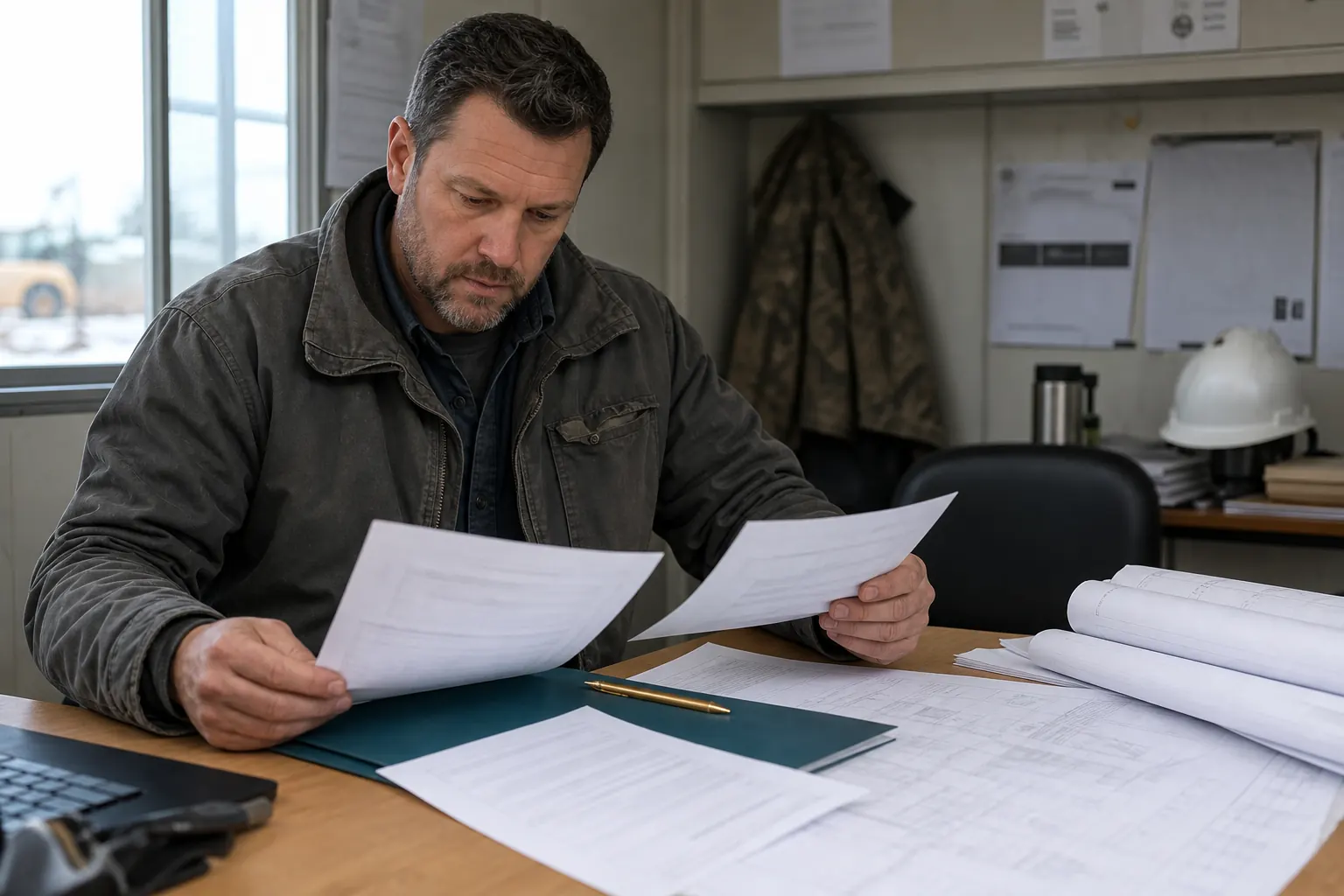
Illinois mobile offices support construction, distribution, manufacturing, healthcare, schools, utilities and temporary business operations from dense Chicago-area properties to central and southern regional markets.
STATE BUYER BRIEF
Illinois Construction Office Trailers for Urban and Industrial Work
A Chicago-area project may need timed carrier access and a compact office, while a warehouse or manufacturing site may require credentials, escorts and routes that avoid freight peaks. Compare construction office trailers by meetings, plan storage, secure records and technology. Protect the employee entrance and future pickup path from changing equipment lanes.
Portable Classrooms and Finished Temporary Offices
District renovations, healthcare projects, workforce programs and displaced departments may need portable classrooms or professional office space. Identify daily and peak users, accessibility, restrooms, furniture, data and visitor flow. Those functions should determine the interior before suppliers offer a similar-sized but unsuitable construction unit.
Prepare Illinois Permits, Winter and Ground Conditions
Confirm local zoning, building, fire and accessibility requirements for the specific use and duration. Coordinate heating, plumbing protection, electrical load, drainage and snow storage. Freeze-thaw and spring mud can affect both placement and removal. Review mobile office permit planning with the municipality and property owner.
Compare Complete Illinois Mobile Office Prices
Require the offered unit, condition, source, freight, special handling, setup, stairs or ramp, utilities, rent, maintenance and removal. Include city delivery windows or industrial access rules. One Illinois mobile office price request keeps the comparison tied to the real installed project.
Separate Chicago-Area Logistics From Downstate Mobile Office Needs
Illinois office trailer projects can involve dense Chicago-area streets and industrial yards, suburban schools, central-state construction or downstate agricultural and manufacturing sites. Each market changes delivery windows, staging, freight and service. Verify the route from the public road to the setting point, then describe peak occupancy, meetings, secure records and visitor access. Winter heat, summer cooling and wet shoulder seasons affect setup and daily entry. Ask suppliers to state the source unit, carrier assumptions, installed access and removal cost so an apparently lower rental rate is not simply leaving difficult metropolitan or rural logistics outside the proposal. In a municipality, confirm whether street use, temporary structures or utility work require separate approvals. On a large campus, assign one delivery contact who can make placement decisions while the carrier is on site.
Give suppliers one complete address-specific brief.
Include ZIP, use, term, people, features, access, ground and target delivery.