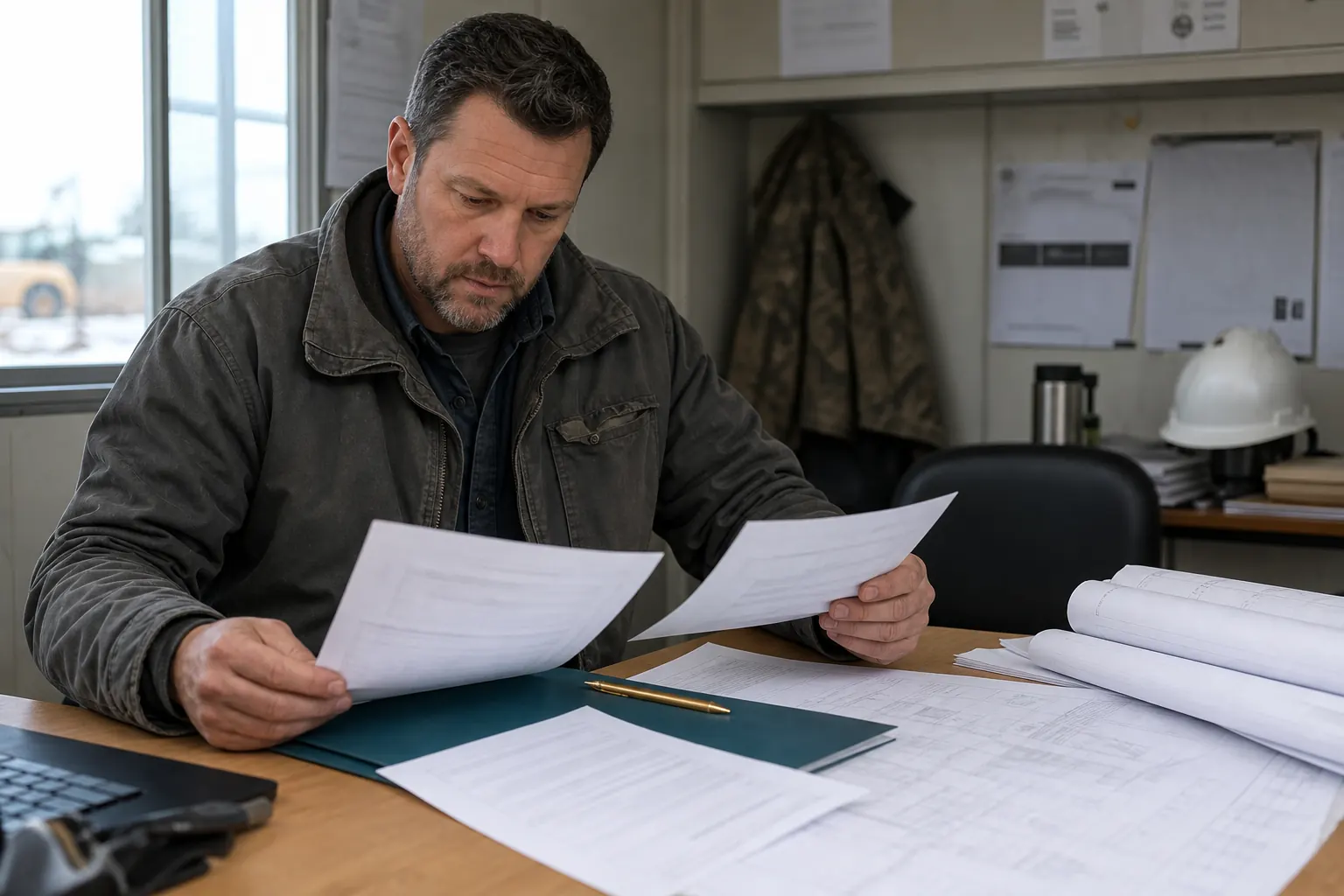
Montana mobile offices serve construction, energy, mining, agriculture, healthcare, schools, utilities and public work across widely separated communities and exposed rural sites.
STATE BUYER BRIEF
Montana Construction Office Trailers for Remote Field Operations
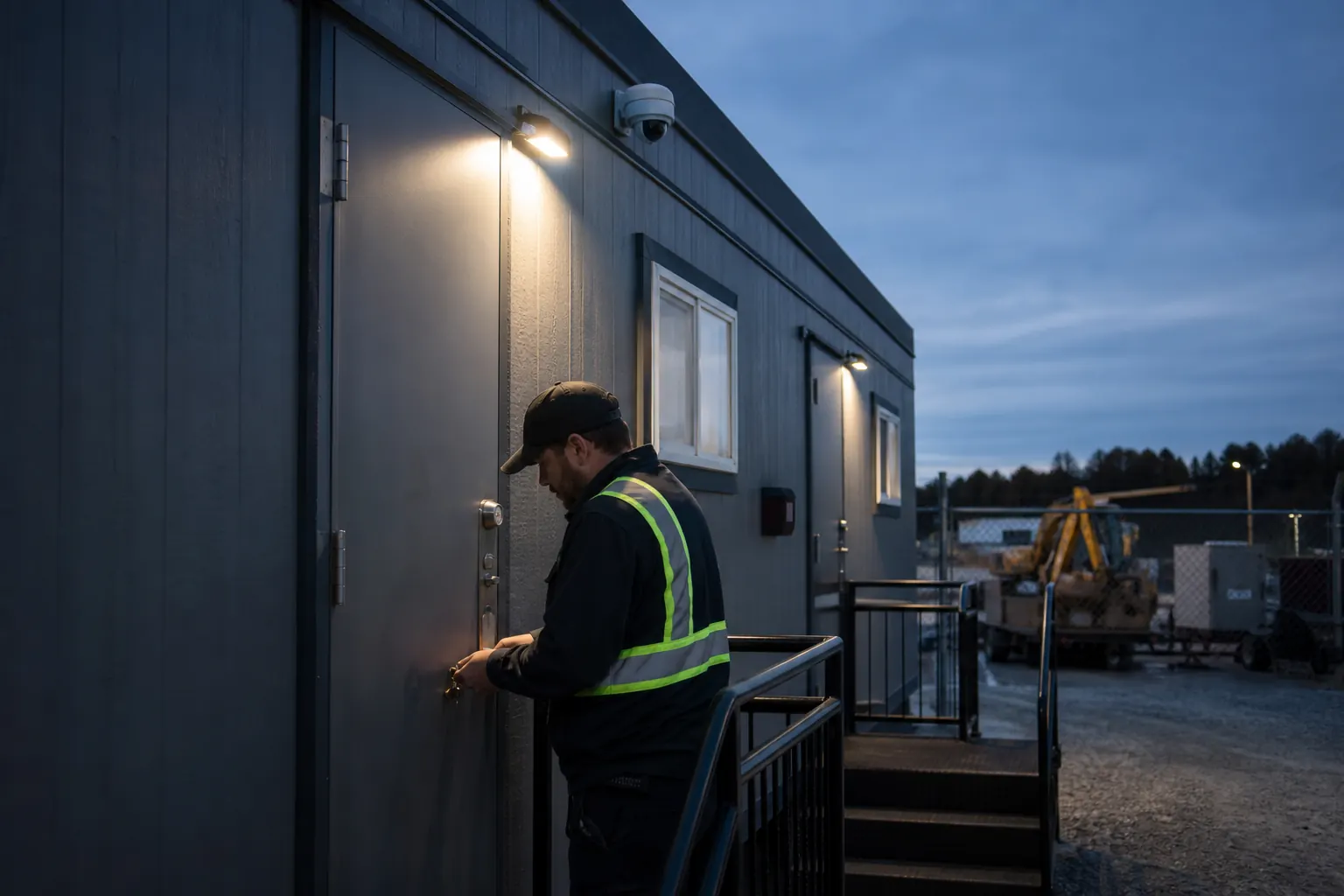
A remote field office may need reliable heat, communications, storage and emergency supplies as much as desks and meeting space. Compare construction office trailers by crew use, exposure and available support. The closest suitable unit may still travel a significant distance, so verify source location, carrier route and whether service technicians can reach the property during the operating season.
Portable Classrooms and Community Mobile Offices
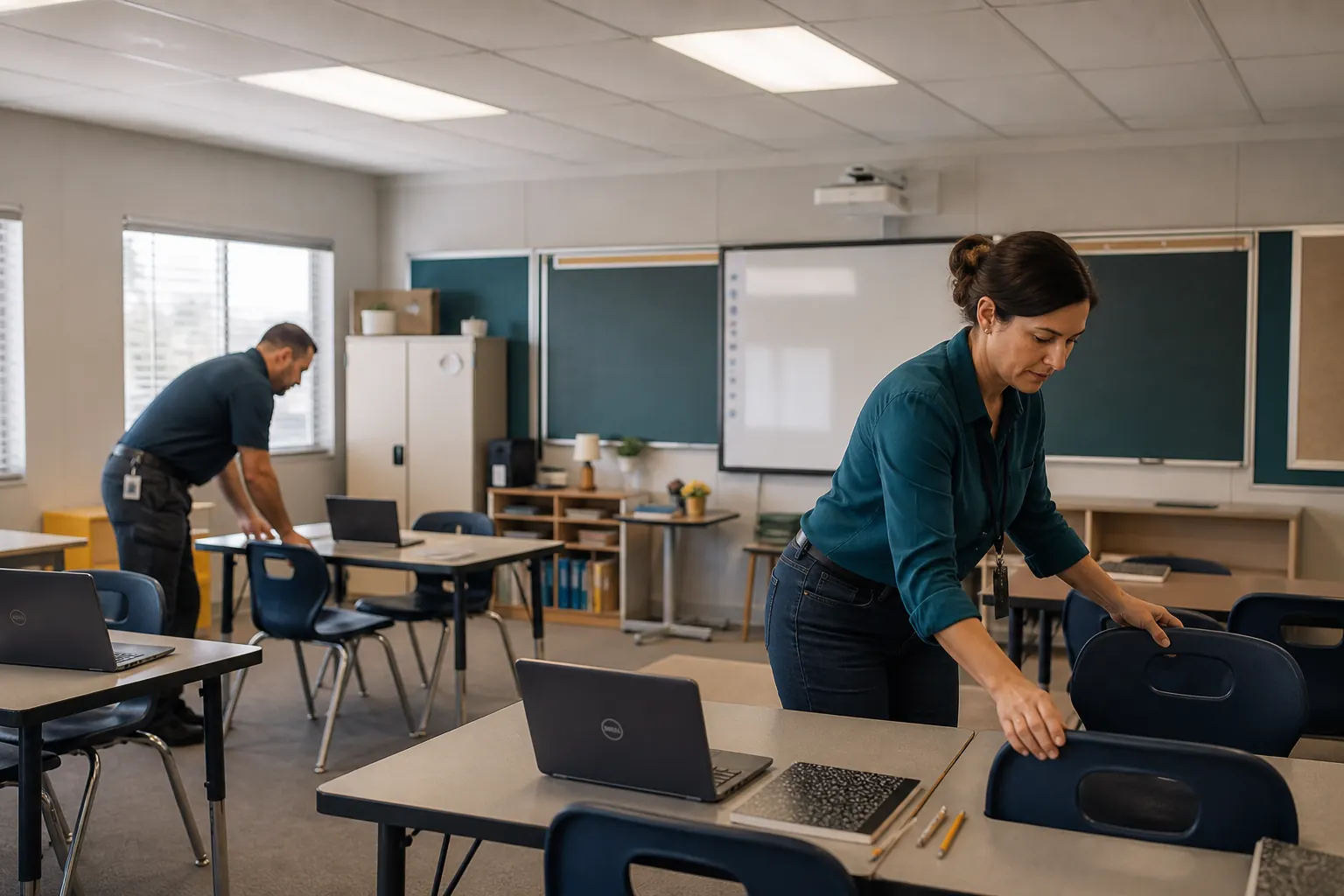
Schools, clinics, public agencies and temporary programs may require finished rooms with accessible circulation and dependable utilities. A portable classroom should reflect students, staff, technology and winter entry. Business or public offices may need private rooms and visitor access. Identify those uses before accepting a substitute designed for short field occupancy.
Plan Montana Wind, Cold, Ground and Utility Protection
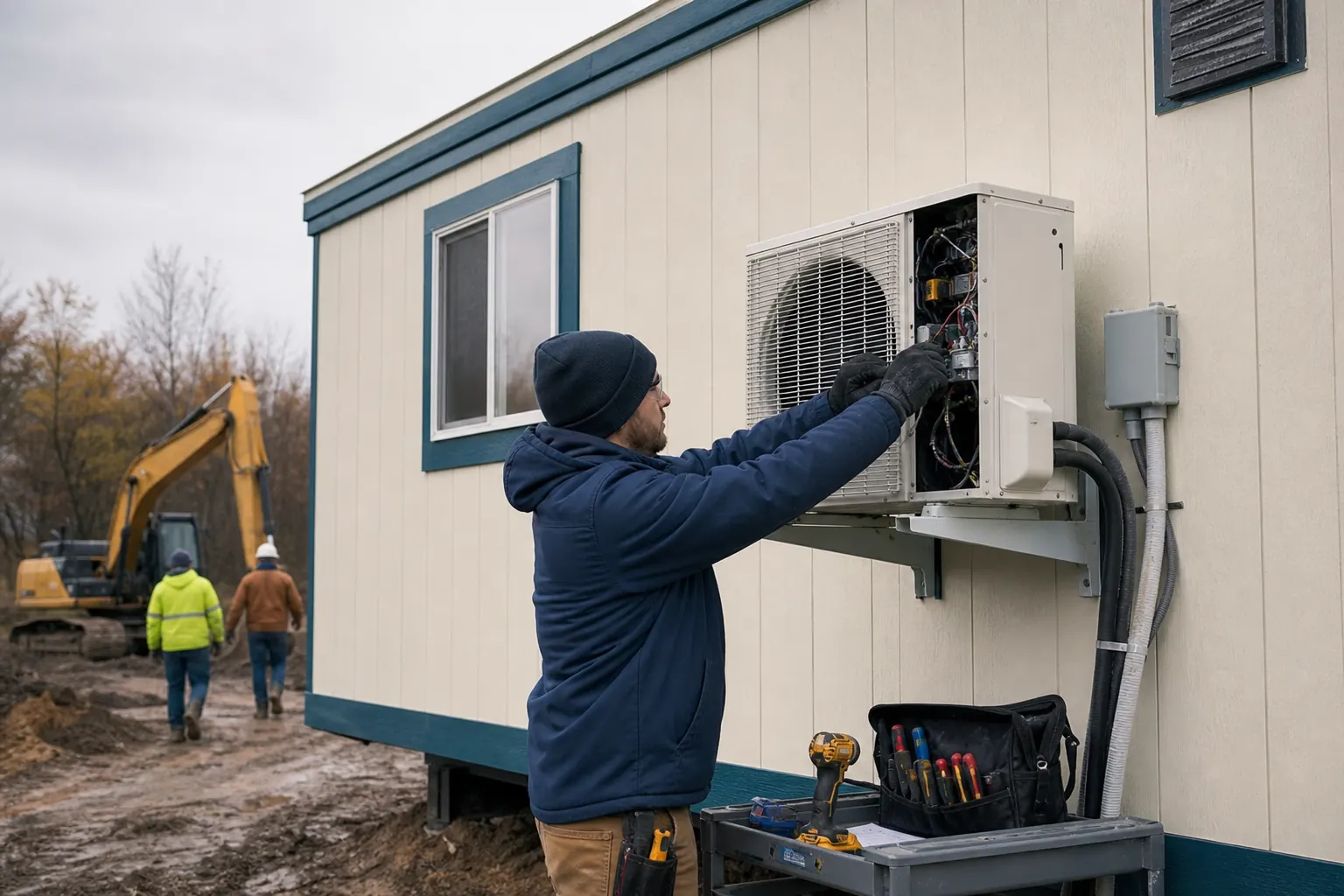
Review heating capacity, envelope condition, plumbing protection, snow storage and backup procedures. Confirm anchoring or securing requirements for the proposed unit and site. Spring thaw and rural roads can affect delivery and pickup dates. The guide to mobile office winterization helps assign monitoring, fuel, power and emergency-service responsibilities.
Compare Montana Mobile Office Costs with Logistics Included
A complete proposal identifies the office, source, transport distance, setup, entry, cold-weather package, utility work, technician travel, rent and removal. Ask what parts and response times are realistic. One Montana mobile office price request should present the same destination and operating season to every supplier so the comparison rewards viable support, not just a low advertised rate.
Build Montana Mobile Office Quotes Around Distance and Seasonal Access
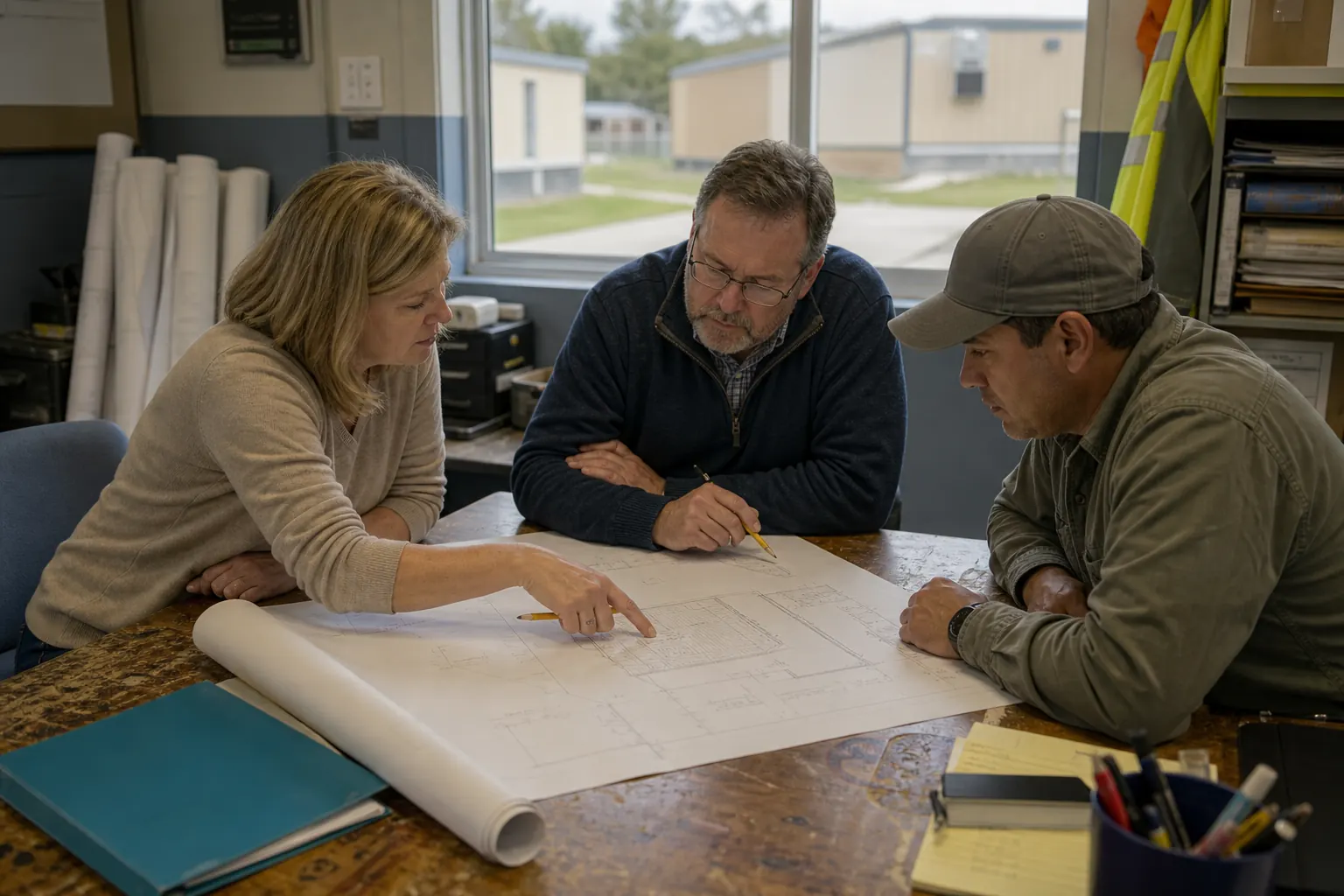
Montana buyers should identify the source unit and service plan because distance can influence freight, response time and pickup as much as the monthly rate. Construction, energy, agriculture and public projects may sit beyond routine urban delivery routes, with grades, wind, snow or limited turning space near the final setting point. Confirm the carrier approach, site equipment, power and the dates when roads and ground are most reliable. If the office will remain through winter, specify heating, freeze protection and entry maintenance. A complete proposal should show what happens after delivery as clearly as it shows the trailer size.
Give suppliers one complete address-specific brief.
Include ZIP, use, term, people, features, access, ground and target delivery.