Maine mobile offices serve construction, shipbuilding, forestry, energy, healthcare, schools, utilities, fisheries and seasonal business operations from southern population centers to remote northern and coastal properties.
STATE BUYER BRIEF
Maine Construction Office Trailers for Coastal and Remote Work
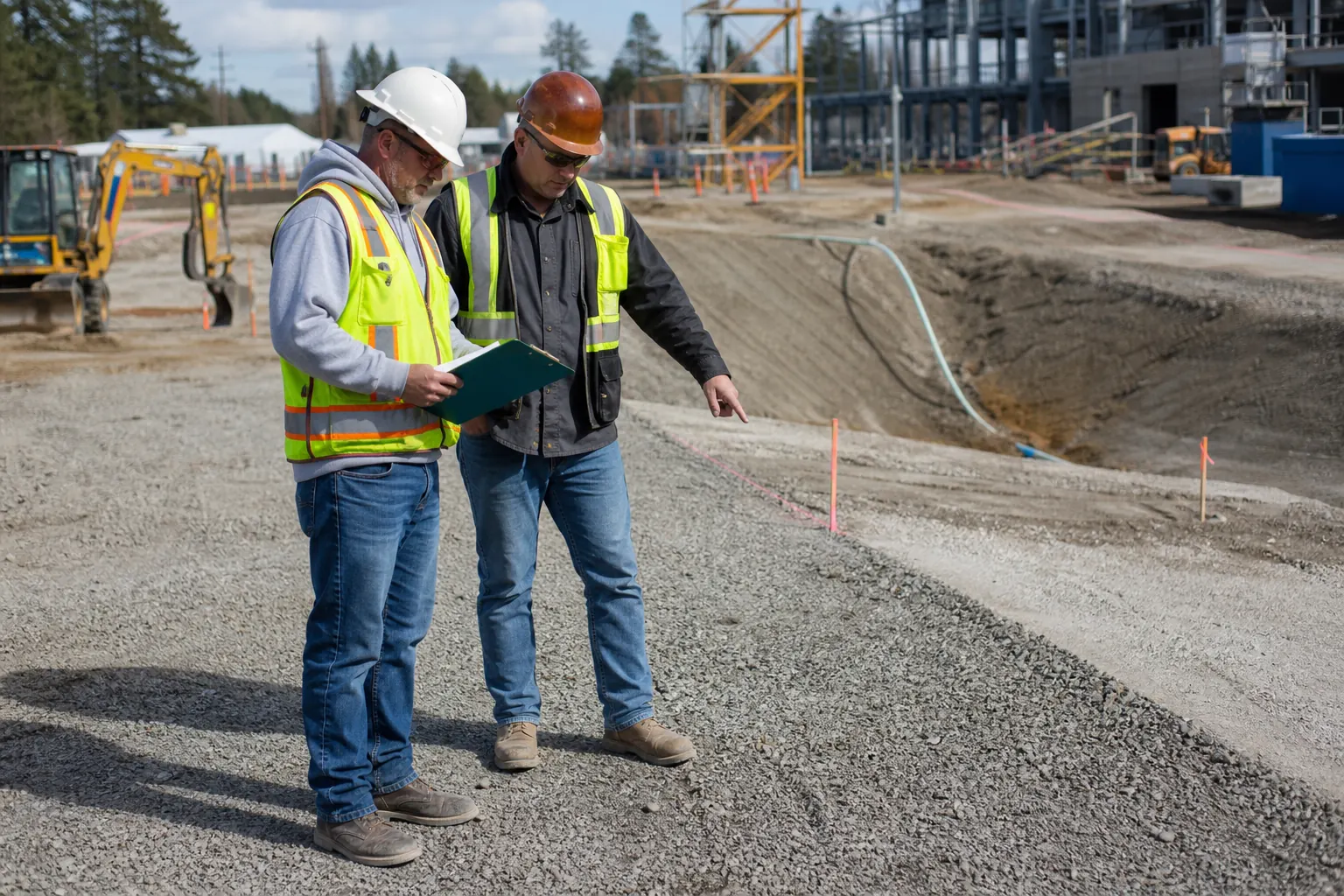
A shipyard, commercial build or southern Maine project may need controlled access and frequent meetings, while forestry, energy or civil work may prioritize heat, communications and remote support. Compare construction office trailers by actual crew use. Verify source location, carrier route and technician travel before promising a delivery or service date.
Portable Classrooms and Temporary Community Offices
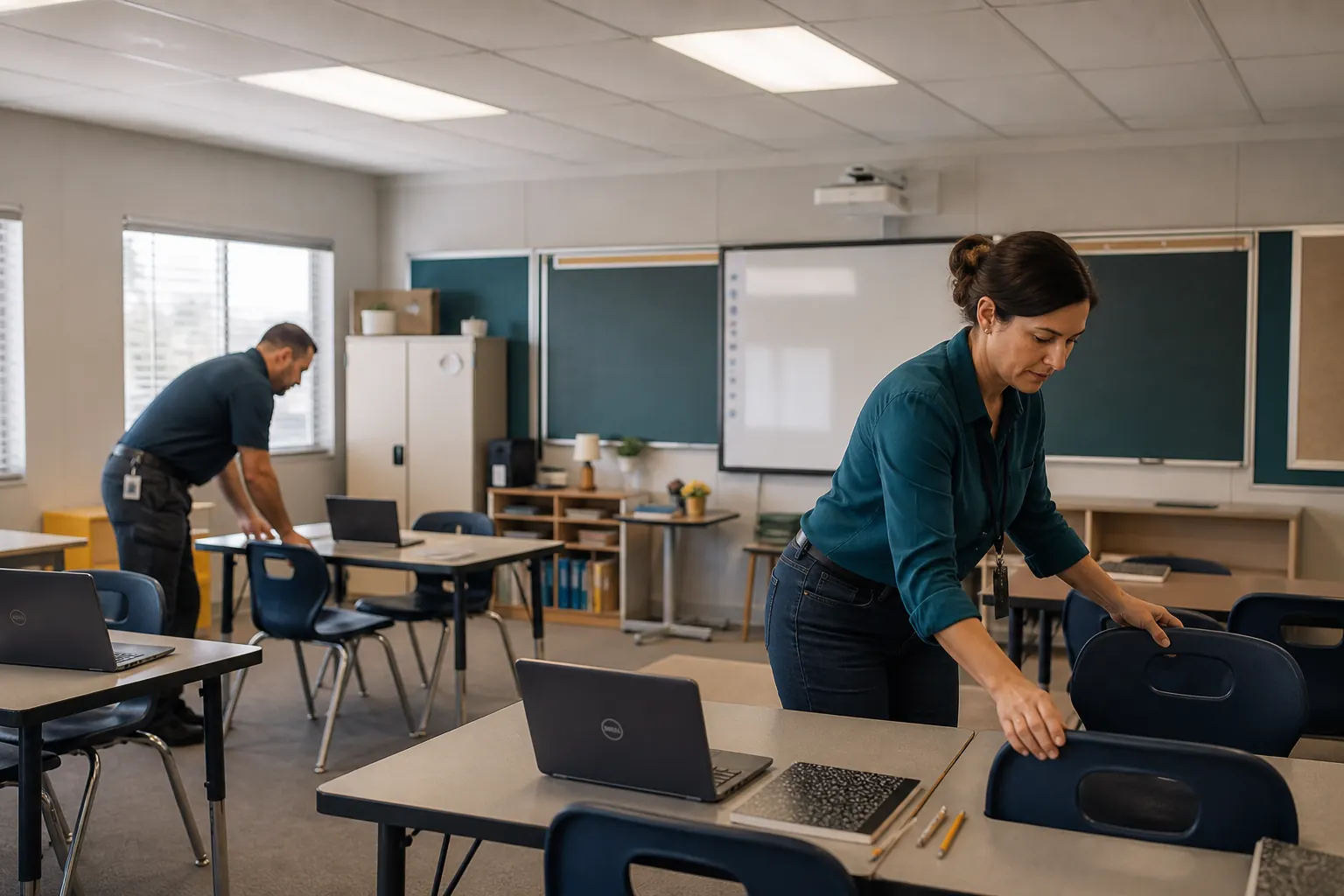
Schools, clinics, training programs and public agencies may need portable classrooms or finished offices with accessible circulation and dependable utilities. Identify occupants, rooms, restrooms, technology and winter entry. A public-use building should not be replaced with a basic field unit merely because it is closer.
Plan Maine Cold, Snow, Salt and Seasonal Roads
Confirm heating output, insulation condition, plumbing protection and electrical reliability. Reserve snow storage without blocking entry, HVAC or pickup. Coastal units need corrosion inspection; remote roads may restrict delivery during mud season. The guide to mobile office winterization helps assign monitoring and emergency response.
Compare Delivered Maine Mobile Office Prices
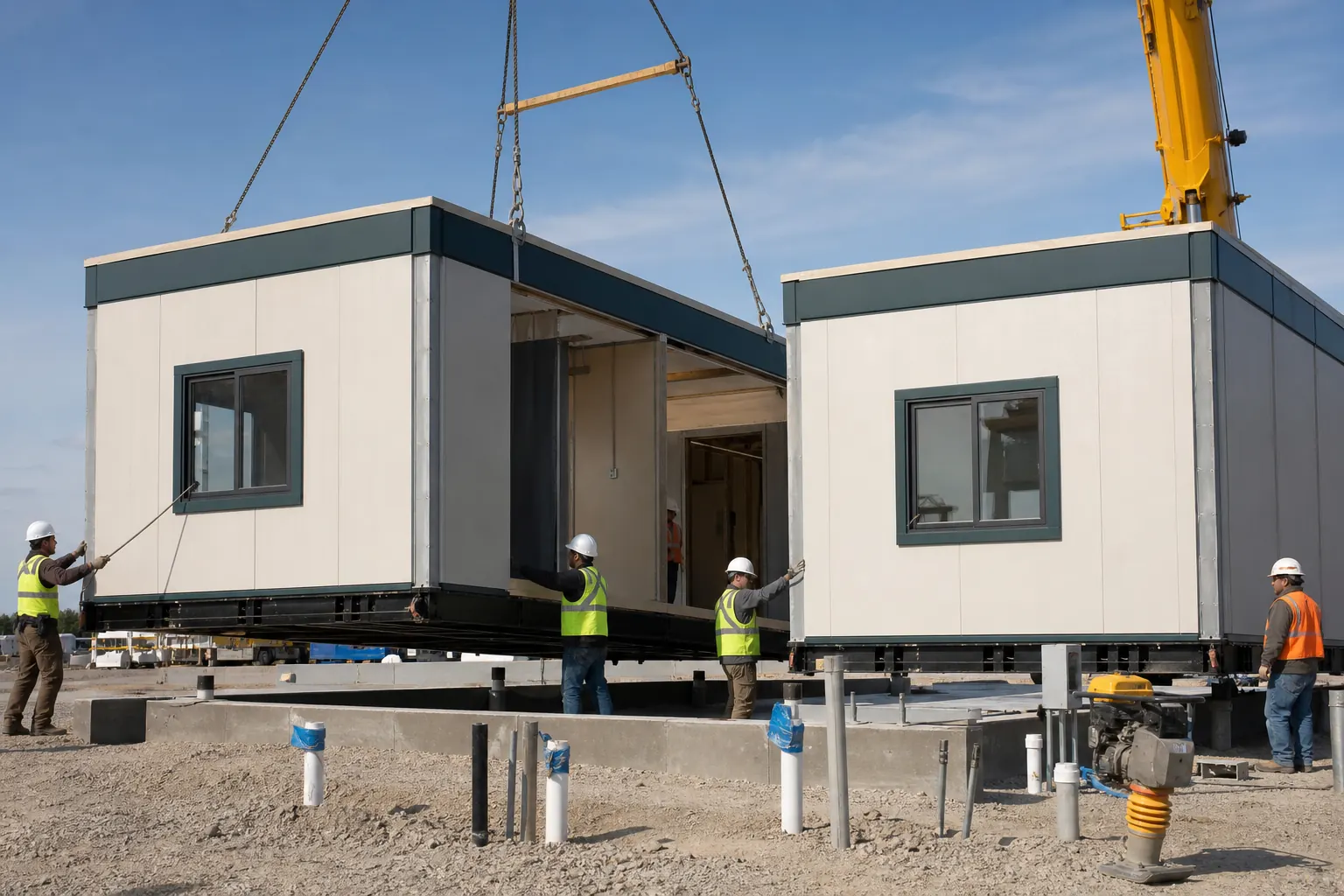
Require the offered office, origin, condition, freight, setup, cold-weather package, utilities, service travel, rent and removal. Ask what response time is realistic at the property. One Maine mobile office price request compares workable installed options instead of distant advertised rates.
Plan Maine Mobile Offices for Winter, Coastal Exposure and Remote Delivery
Maine mobile office projects can face long service distances, narrow local roads, coastal weather and extended winter occupancy. Confirm the source unit and route, including grades, turns, tree clearance and seasonal access. Heating, freeze protection, snow storage and safe entry need to remain workable after the site becomes active. Coastal properties should discuss wind, salt exposure and drainage, while inland and northern work may prioritize cold-weather reliability and technician response. Specify the work, people, rooms and term so suppliers can price an office that performs at the destination rather than simply quoting the nearest available shell. Ask whether the proposed service plan changes outside the supplier’s normal radius. A remote office should have clear contacts and basic outage procedures before winter travel becomes difficult. Keep fuel delivery, plowing and maintenance vehicles in mind when reserving space around the unit.
Give suppliers one complete address-specific brief.
Include ZIP, use, term, people, features, access, ground and target delivery.