Oregon mobile offices serve construction, technology, manufacturing, forestry, agriculture, schools, healthcare, utilities and temporary business operations from wet Willamette Valley sites to high desert and coastal communities.
STATE BUYER BRIEF
Oregon Construction Office Trailers for Urban and Field Projects
Portland-area infill may require a timed delivery and efficient footprint, while timber, utility or regional work may need durable storage, communications and a stronger service plan. Compare construction office trailers by meetings, records, crew traffic and exposure. Keep the office entrance and future pickup route out of equipment lanes and wet low areas.
Portable Classrooms and Finished Mobile Offices
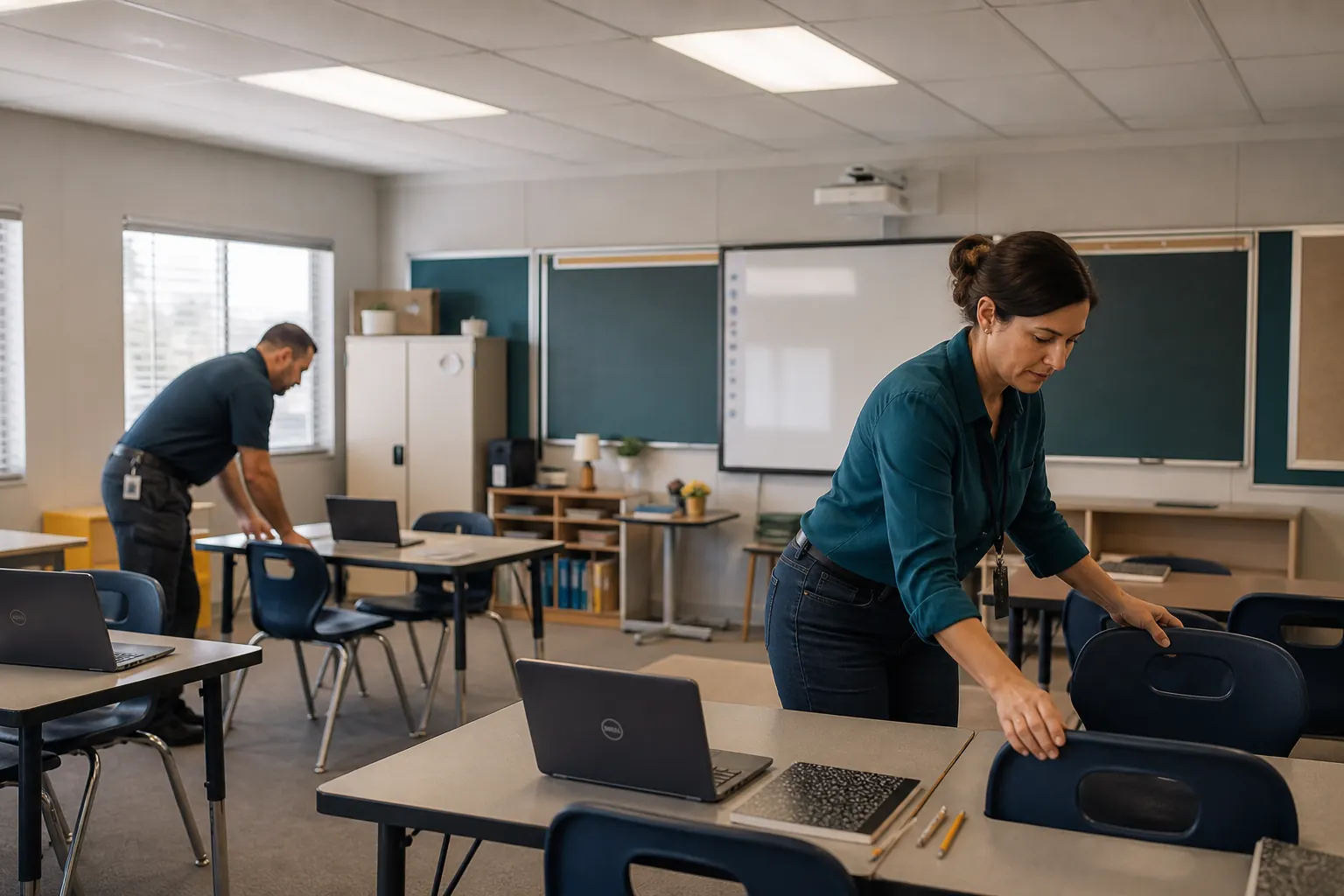
District projects, training, healthcare renovations and temporary departments can require portable classrooms or finished business space. State occupants, accessibility, restrooms, technology and privacy. A public-use office needs a different circulation and finish package from a construction trailer even when both occupy a similar footprint.
Plan Oregon Drainage, Air Quality and Seasonal Access
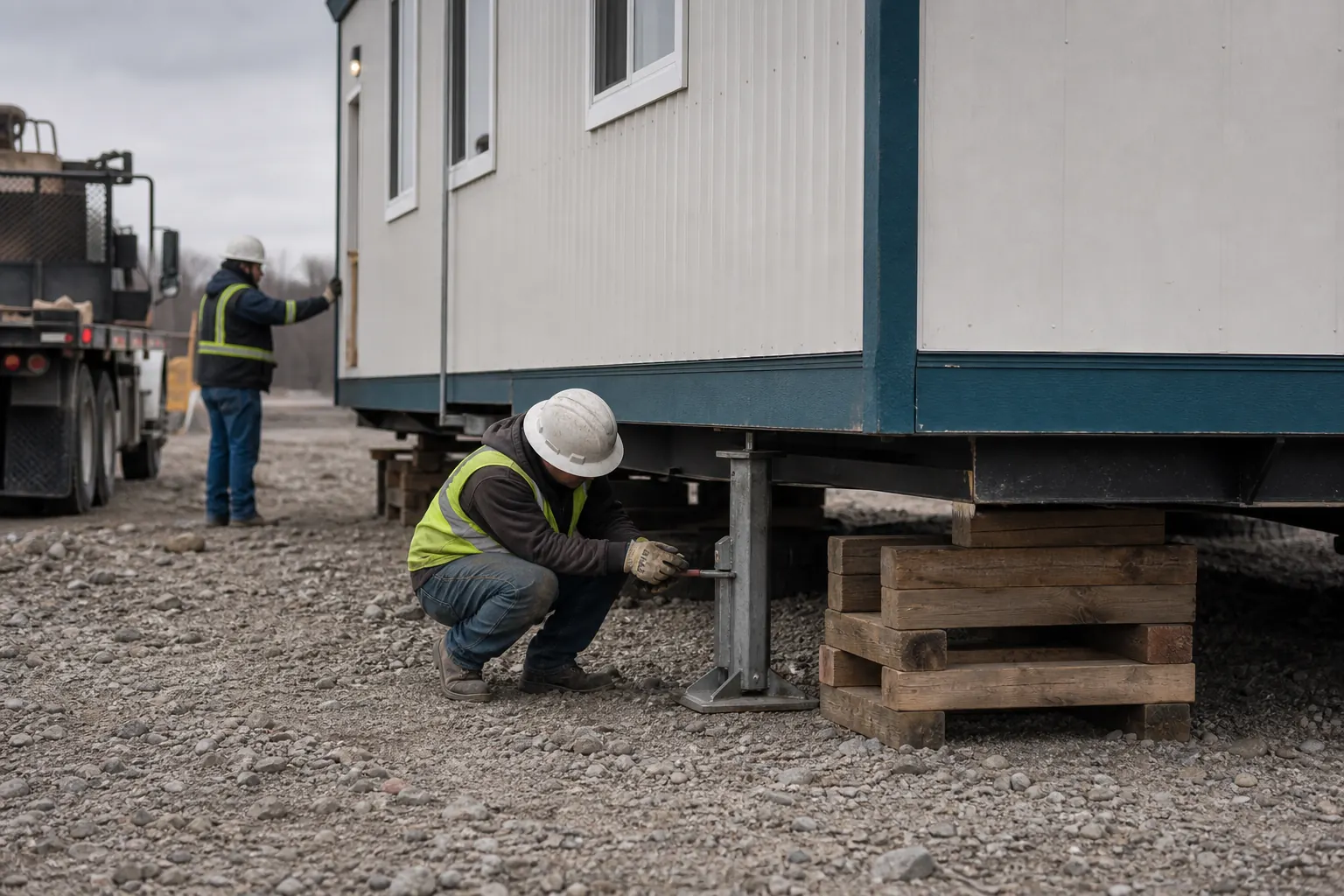
Verify support bearing after rain, positive drainage and a carrier route that remains usable for removal. Confirm HVAC filtration and operating procedures where dust or smoke can affect indoor work. Mountain and eastern sites may add snow and freeze protection. Review mobile office HVAC and winterization before specifying utilities.
Compare Complete Oregon Mobile Office Prices
Require the offered unit, origin, condition, freight, setup, entry system, utilities, recurring charges, service and pickup. Ask whether regional travel affects response. A detailed Oregon mobile office price request makes transport distance, site preparation and seasonal equipment visible instead of comparing isolated monthly rates.
Separate Oregon Mobile Office Needs by Rain, Heat, Smoke and Distance
Oregon conditions vary from wet western construction sites to hotter interior markets and remote forestry, utility or agricultural properties. Identify drainage, support, mud control and the daily entry route, then consider summer cooling and smoke exposure for occupied work. Coastal and mountain delivery can introduce wind, grades and limited carrier access. Portland-area projects may face compact staging and traffic restrictions instead. State the people, hours, technology and expected term so HVAC and floor-plan decisions match the work. Providers should also disclose the source unit and service distance, which can materially affect freight and response. If air quality affects the workplace, ask how filters, door use and interior pressure will be managed during occupied hours.
Give suppliers one complete address-specific brief.
Include ZIP, use, term, people, features, access, ground and target delivery.