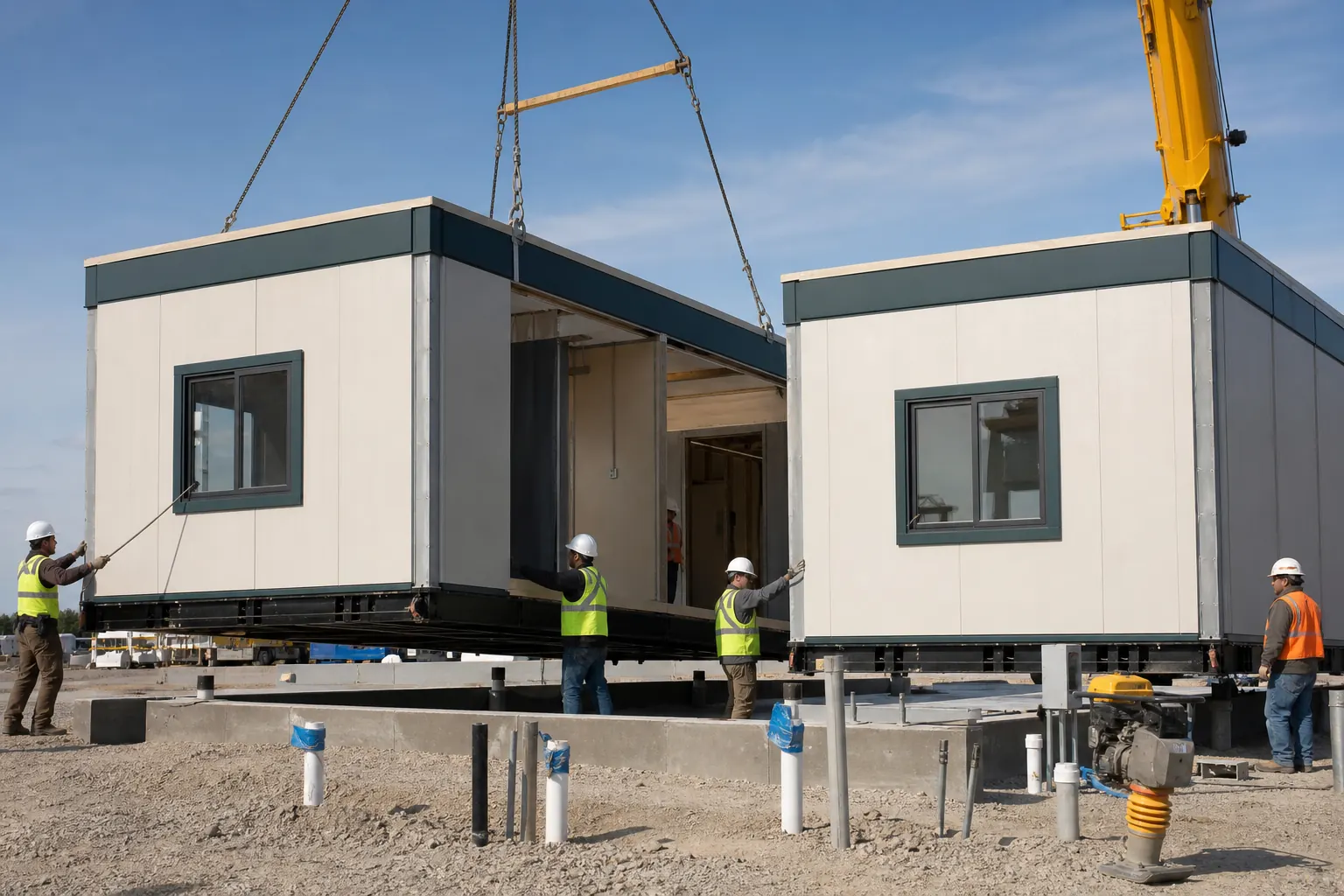
Oklahoma mobile offices support construction, energy, aerospace, manufacturing, agriculture, schools, healthcare and temporary business operations across Oklahoma City, Tulsa and regional field markets.
STATE BUYER BRIEF
Oklahoma Construction Office Trailers for Urban and Field Projects
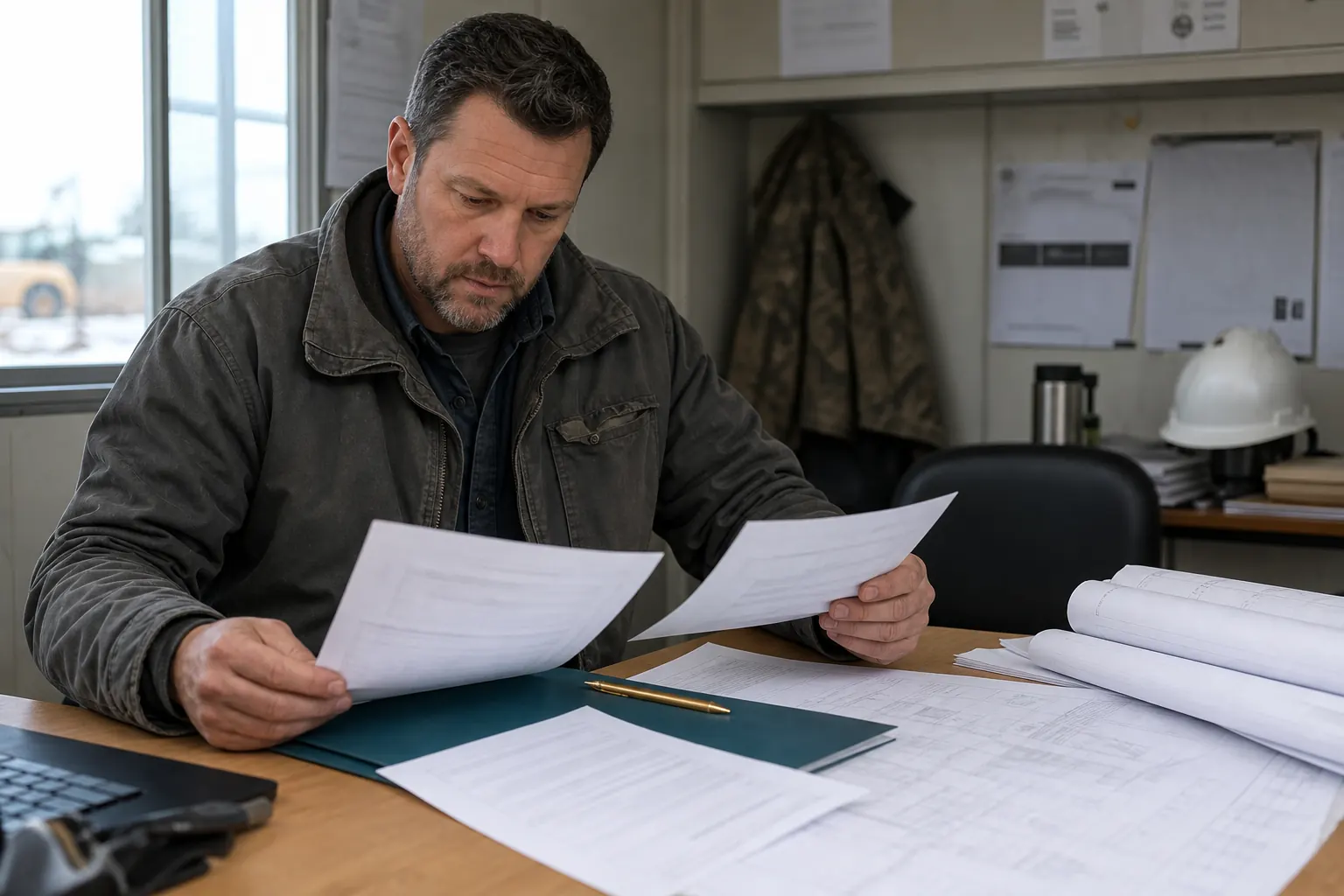
A construction office may coordinate a metro development, industrial expansion, utility crew or remote energy site. Compare construction office trailers by meetings, plan storage, secure records, communications and peak staffing. Remote projects need realistic transport and technician access, while active plants may require credentials, escorts and delivery windows that avoid operating peaks.
Portable Classrooms and Temporary Business Offices
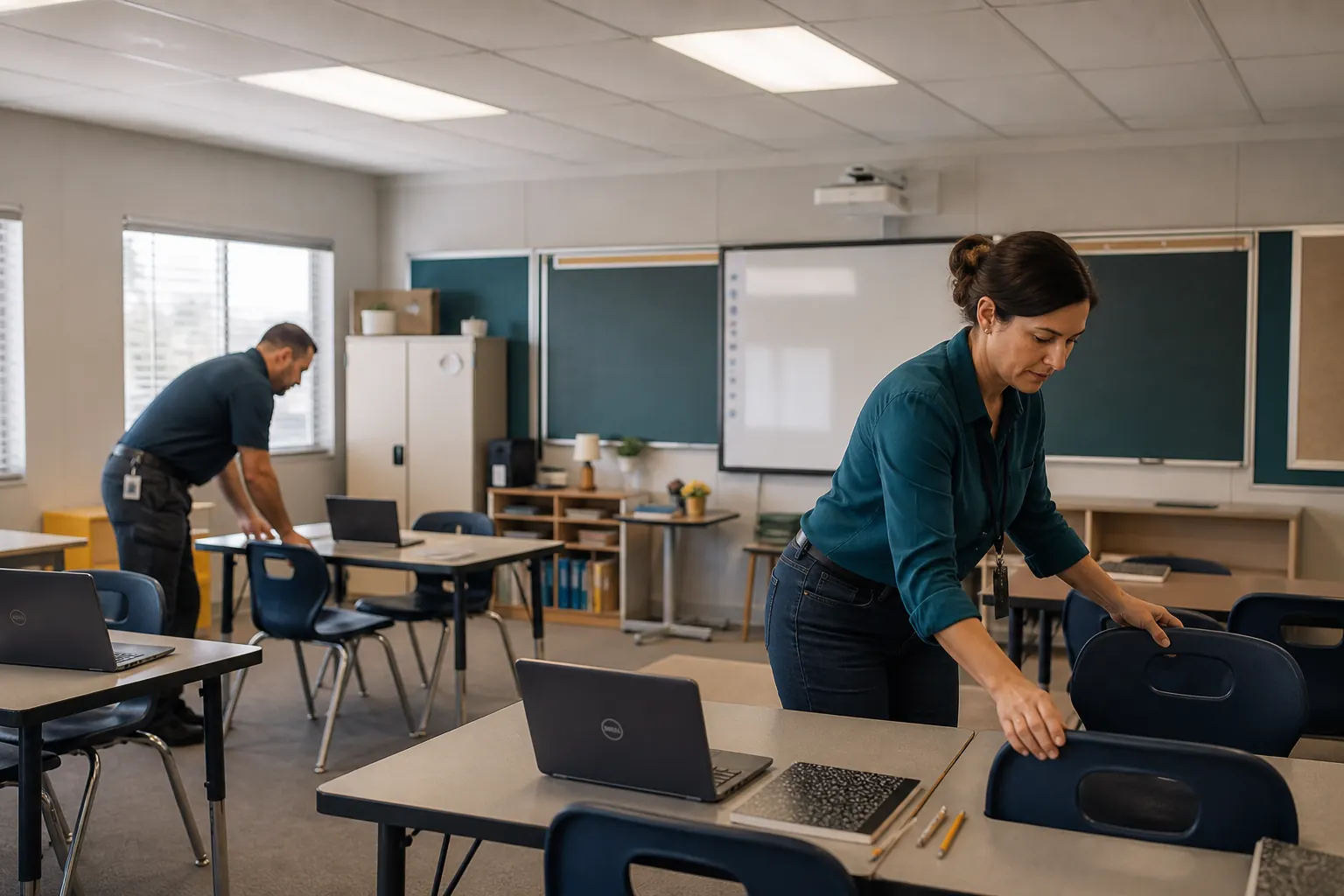
School projects, workforce training, healthcare work and displaced departments may require portable classrooms or finished offices. Identify students, employees, visitors, accessibility, restrooms, furniture and data. Those functions help suppliers distinguish a public-use floor plan from a durable field unit before matching available inventory.
Plan Oklahoma Wind, Storms and Summer Cooling
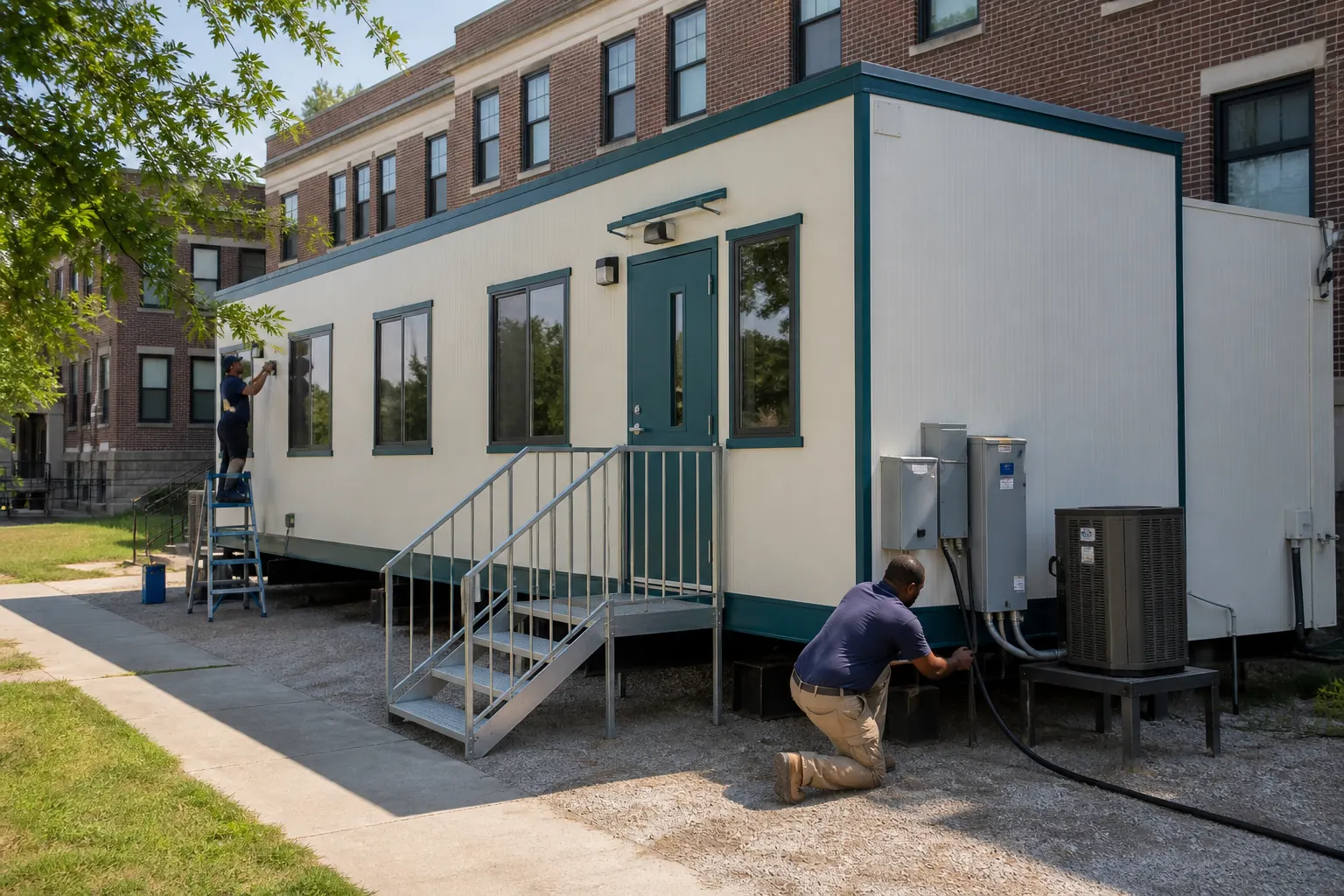
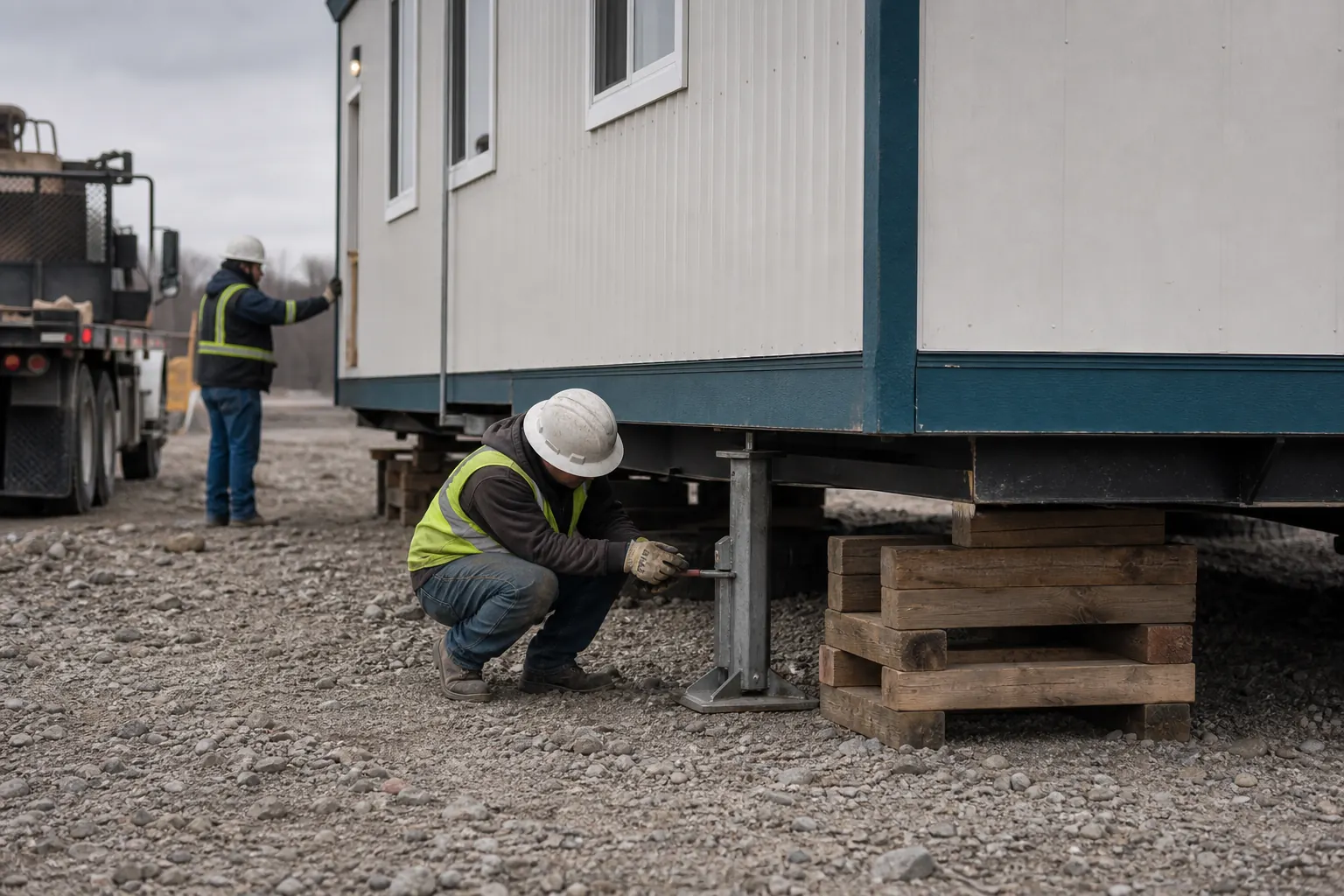
Confirm HVAC capacity, electrical demand and service response for long hot days. Review anchoring or securing requirements, drainage and storm procedures for the proposed property and unit. Preserve an all-weather carrier route for pickup. The answer on mobile office climate control helps translate exposure and occupied hours into equipment questions.
Compare Delivered Oklahoma Mobile Office Prices
Require the offered unit, origin, condition, freight, setup, entry, utilities, recurring charges, maintenance, storm responsibilities and removal. Compare rent and purchase over the likely term. One Oklahoma mobile office price request tied to the real ZIP exposes transport, equipment and installed-scope differences before award.
Plan Oklahoma Mobile Offices for Wind, Heat and Remote Service
Oklahoma construction, energy, utility, school and business projects can experience severe weather, long summer cooling hours and substantial travel between inventory and the final site. Confirm anchoring assumptions, shelter procedures, electrical capacity and who secures equipment when weather threatens. Rural properties should document roads, gates, turns and technician access after setup; metro projects may have less staging room and tighter delivery windows. Describe the people, meetings, records and technology inside the office. A supplier can then match a practical floor plan and show whether freight, setup, service and pickup are included in the offered price. Keep emergency vehicle access and designated assembly routes clear when selecting the final office position.
Give suppliers one complete address-specific brief.
Include ZIP, use, term, people, features, access, ground and target delivery.